%2Ffit-in%2F250x250%2Fguide_websites%2F14917%2Fimages%2F1746284039214logo2025.jpg&w=1920&q=100)
Pacific Sierra Fishing Charter Gulf Shores AL
Fishing Charter Experience in Gulf Shores - What to Expect
%2F%2Fusers%2Fc83c6c3b-70fb-4325-a825-f2a75cada2a8%2Fimages%2Fgulf-shores-pacific-sierra-catch-2474.jpg&w=1920&q=75)
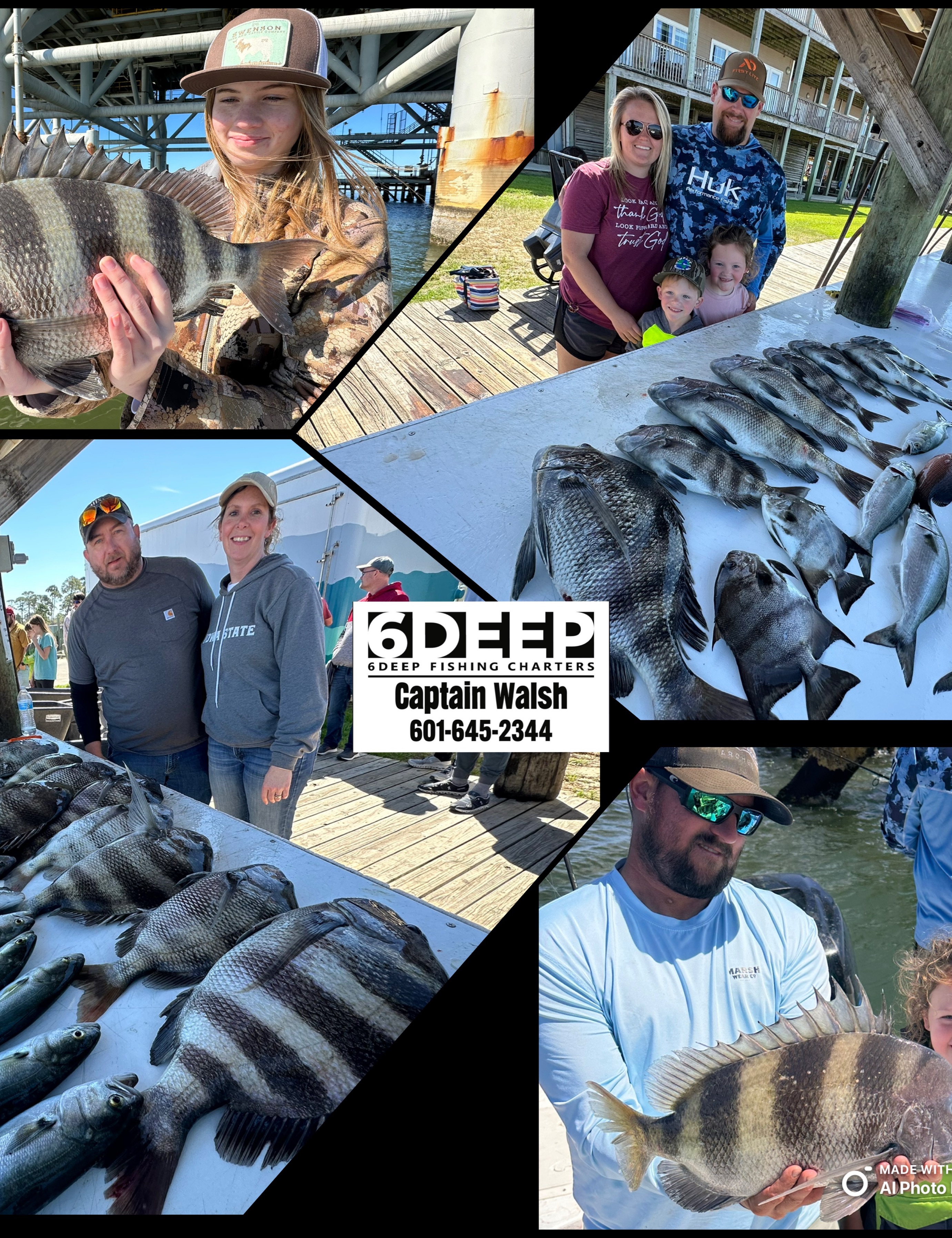
Fishing Charter by Captain Bill Walsh in June
- Book Your Next Gulf Shores Fishing Charters


Summary
Join Captain Bill Walsh of 6Deep Fishing Charters on a Monday in June for an unforgettable fishing charter in Gulf Shores. This fishing charter combines expert local knowledge with productive Gulf waters to deliver genuine results. Anglers landed Pacific Sierra and mixed species, showcasing the diverse opportunities available from the Fort Morgan area.
Fishing Charter with Captain Bill Walsh - Rates & Booking
Captain Bill Walsh of 6Deep Fishing Charters on Monday, June delivered exactly what a productive fishing day looks like. Heading out from Gulf Shores, the charter targeted Gulf waters near Fort Morgan where conditions were favorable for connecting with Pacific Sierra and other premium species. This is the kind of hands-on fishing experience where skill meets opportunity, and the results speak for themselves.
6Deep Fishing Charters provides everything needed for a successful day on the water, with Captain Walsh's extensive local expertise guiding every decision from location selection to technique. The charter is structured around real fishing conditions and what's actively biting, not predetermined itineraries. This means you're fishing where the fish actually are, increasing your chances of a memorable catch.
For booking details and current rates, contact 6Deep Fishing Charters directly. Captain Walsh works with groups looking for genuine Gulf fishing opportunities with proven results.
Highlights of Gulf Shores Fishing
Landing Pacific Sierra is a genuine thrill - these fish are strong fighters that test your skills and equipment. The day produced multiple species, showing the biological richness of Gulf Shores waters and the variety of opportunities available when you're fishing prime habitat. The experience captured everything that makes Gulf fishing rewarding: clear conditions, active fish, and the satisfaction of successful catches.
What made this charter stand out was the combination of favorable conditions, Captain Walsh's tactical approach, and the willingness of the fish to cooperate. Not every day produces this kind of result, which is why this particular outing represents the best-case scenario for what's possible when conditions and fishing skill align.
Local Species Insights: Pacific Sierra
Pacific Sierra are ambush predators that patrol Gulf waters hunting for smaller baitfish. They prefer structure and areas where current brings food sources, which is exactly why Captain Walsh focuses on specific Fort Morgan locations. These fish are aggressive, fast, and provide excellent sport on light to medium tackle. The Sierra's streamlined body and powerful tail make them capable of sudden bursts of speed, and once hooked, they're relentless in their fight.
The mixed species catch on this charter reflects the ecological diversity of Gulf Shores. Different species occupy different depths and habitat zones, so Captain Walsh's knowledge of where to find each species became crucial to the day's success. Some species prefer structure, others hunt in open water, and understanding these patterns separates successful days from unsuccessful ones.
Water temperature, salinity, and baitfish availability all influence what's feeding and where. The June timing of this charter placed it in the heart of prime fishing season for Gulf Shores, when water conditions stabilize and fish populations are actively feeding. This consistency in conditions creates reliable opportunities for experienced guides like Captain Walsh who know how to read water and locate active feeding zones.
The experience of fishing Gulf Shores goes beyond just the catch. It's about understanding the marine environment, respecting the fish, and appreciating the skill required to consistently produce results. Every fish landed represents successful decision-making, proper technique, and local knowledge working together.
Fishing in Fort Morgan: Pacific Sierra
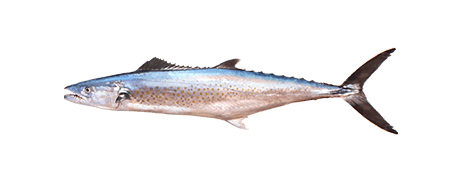
Pacific Sierra Overview
The Pacific Sierra (Scomberomorus sierra), also known as the Mexican Sierra, is a striking member of the Scombridae family within the order Perciformes. This bony, ray-finned fish belongs to the Spanish mackerel tribe and is instantly recognizable by its elongated, fusiform body adorned with distinctive rows of orange spots and a shimmering row of gold dots running beneath its lateral line. Found from California down to Chile along the Pacific coast, the Pacific Sierra is a highly valued sport fish and culinary delicacy that anglers and seafood enthusiasts have prized for generations. With its aggressive feeding behavior, powerful runs, and excellent flavor profile, this species represents one of the most exciting nearshore fishing experiences available to both recreational and commercial anglers throughout Pacific coastal regions.
Pacific Sierra Habitat and Distribution
Pacific Sierras inhabit coastal pelagic waters throughout the Pacific Ocean, ranging from California to Antofagasta in Chile. These fish prefer cooler waters with temperatures below 74°F and are typically found at depths around 50 feet, though their distribution varies by life stage. Juvenile Pacific Sierras favor shallow, sandy beach environments close to shore, where they find abundant forage and protection. As they mature, adult specimens migrate to deeper waters along the continental shelf, where they form schools and hunt in the productive nearshore zones. The species thrives in areas with strong baitfish populations, making upwelling zones and areas with consistent anchovies and sardine runs particularly attractive habitats. Along the California coast and into Mexican waters, these fish are most abundant during warmer months when they move into shallower feeding grounds.
Pacific Sierra Size and Weight
Pacific Sierras are medium-sized predators that typically range from 28 to 39 inches in length, with weights varying from 12 to 18 pounds depending on age and feeding conditions. The largest specimens—those approaching or reaching the 39-inch mark and 18-pound threshold—are prized trophies that demonstrate years of successful hunting and growth in productive coastal waters. Most recreational catches fall in the 28 to 32-inch range, representing solid fish that provide excellent sport and quality table fare. The species exhibits relatively rapid growth rates in areas with abundant forage, meaning that a well-fed individual can reach these maximum sizes within a decade of life. Size variation across their range suggests that Pacific Sierras in warmer, prey-rich waters develop faster than those in cooler, more northern regions.
Pacific Sierra Diet and Behavior
As aggressive and opportunistic predators, Pacific Sierras are relentless hunters that actively pursue schooling baitfish throughout their habitat. Their primary diet consists of herrings, clupeids, and anchovies—small, oily fish that provide the energy necessary to fuel their powerful muscles and fast-twitch predatory behavior. These fish are known for their lightning-fast strikes and willingness to attack prey larger than their mouth might suggest possible, making them thrilling to pursue on both light and conventional tackle. Behaviorally, Pacific Sierras exhibit strong schooling tendencies, often moving in coordinated groups through nearshore waters in search of baitfish concentrations. They are diurnal hunters, showing peak feeding activity during dawn and dusk hours when light levels favor their visual hunting strategy. Their sharp, knife-like triangular teeth and powerful jaws allow them to process hard-bodied prey items and occasionally bite back during the landing process—a characteristic that demands respect and proper rigging from anglers.
Pacific Sierra Spawning and Seasonal Activity
Pacific Sierras spawn near coastal waters during warmer months when water temperatures rise and trigger reproductive hormones. The exact timing varies by latitude, but peak spawning activity typically occurs from late spring through early summer when juveniles are most abundant in shallow, sandy beach environments. This seasonal reproductive cycle creates predictable periods of heightened activity that coincide with peak fishing seasons throughout their range. Recreational fishing for Pacific Sierra is seasonal rather than year-round in many regions, with certain areas implementing closed seasons to protect spawning populations and ensure sustainable harvests. The species exhibits strong site fidelity, returning to traditional spawning grounds year after year, which has allowed commercial and recreational fisheries to develop reliable fishing calendars. Water temperature fluctuations directly influence their presence in any given area—cooler upwelling events may drive them deeper or further south, while warm-water periods concentrate them in nearshore shallows where they become more accessible to anglers.
Pacific Sierra Techniques for Observation and Capture
Method 1: Trolling with Shiny Artificial Lures
The most effective approach for pursuing Pacific Sierra involves slow trolling with flashy, shiny lures that mimic the appearance and movement of small baitfish. Spoons, spinners, and elongated plugs work particularly well when worked just below the surface or at mid-depth along drop-offs and structure. A wire leader is absolutely essential due to the species' razor-sharp teeth that will slice through monofilament with ease. Target areas where baitfish schools congregate—typically near rocky points, kelp beds, and channel edges. Around coastal California and into Baja California waters, this technique produces consistent results during morning and evening hours when Pacific Sierras are most active.
Method 2: Live or Fresh Bait Presentations
Natural baits such as live sardines and anchovies are highly effective when presented on appropriate tackle with a wire or heavy mono leader. Cast near structure or allow the bait to drift naturally in shallow nearshore waters, typically 20 to 50 feet deep. Watch for surface disturbances and explosive feeding activity that indicates active Pacific Sierra schools. Chunked baitfish also work when targeting larger specimens along drop-offs and current lines where the species congregates to ambush passing prey.
Method 3: Fly Fishing with Flashy Streamers
For the adventurous angler, fly fishing with large, flashy streamers can produce exciting surface encounters. Use 8 to 10-weight outfits with heavy tippet (20 to 30-pound test minimum) and brightly colored streamers that imitate small fish. Work the fly near surface structure, particularly around kelp beds and sandy points during peak feeding hours. This method is especially productive around the California coast when Pacific Sierra are schooled in shallow, clear water.
Pacific Sierra Culinary and Utilization Notes
Pacific Sierra hold significant culinary value and are considered a more premium product than other mackerel species, commanding higher market prices due to their excellent flavor and firm texture. The flesh is milder and more delicate than that of other mackerels, with a taste profile often compared to jacks but with superior flavor complexity. The traditional preparation method throughout Pacific coastal regions is ceviche—a dish where raw Pacific Sierra is marinated in lime or lemon juice, often combined with onions, cilantro, and chili peppers to create a refreshing and flavorful dish that highlights the fish's natural qualities. The species is also excellent when grilled whole, baked, smoked, or pan-seared, with the firm flesh holding up well to various cooking methods. Nutritionally, Pacific Sierra provides excellent protein, healthy omega-3 fatty acids, and important vitamins, making it a nutritious addition to any diet. Commercial fisheries harvest approximately 15,000 tons annually, demonstrating the species' importance to regional food security and local economies throughout its range.
Pacific Sierra Frequently Asked Questions
Q: What is the best bait or lure for catching Pacific Sierra?
A: Both artificial and natural baits work effectively, but flashy shiny lures and live sardines or anchovies produce the best results. A wire leader is essential to prevent bite-offs from their sharp teeth. Most anglers prefer slow trolling with spoons or using live bait presentations near structure in 20 to 50-foot depths.
Q: Where can I find Pacific Sierra near California coastal areas?
A: Pacific Sierras are distributed along the entire California coast and into Mexican waters, with concentrations around rocky points, kelp beds, channel edges, and sandy structure in nearshore waters. They school in depths around 50 feet and prefer cooler waters below 74°F, making Northern California and central coast regions particularly productive during their active seasons.
Q: Is Pacific Sierra good to eat, and how should I prepare it?
A: Absolutely—Pacific Sierra is considered an excellent food fish with mild, flavorful flesh that commands premium prices in seafood markets. The traditional preparation is ceviche, but it's also excellent grilled whole, baked, smoked, or pan-seared. The firm texture holds up well to virtually any cooking method, making it versatile for creative culinary applications.
Q: When is the best time to fish for or observe Pacific Sierra?
A: Pacific Sierras are most active during warmer months when they move into nearshore shallow waters. Peak fishing typically occurs from late spring through early fall, with dawn and dusk hours providing the most consistent action. Fishing is seasonal in many areas, so check local regulations for specific seasons and bag limits, which may restrict recreational catches to 10 fish per day in certain US waters.
Q: Why do I need a wire leader when fishing for Pacific Sierra?
A: Pacific Sierras possess incredibly sharp, triangular teeth that easily slice through standard monofilament line. Their teeth are so effective that they will often bite back during the landing process. A wire leader (15 to 25-pound test minimum) prevents bite-offs and ensures that you land the fish you hook, making it an essential component of any Pacific Sierra setup.
Q: What is the conservation status of Pacific Sierra, and are there fishing regulations?
A: The Pacific Sierra population is classified as Least Concern, though populations have decreased slightly over recent decades due to commercial fishing pressure. Despite wide distribution, recreational fishing is regulated in many areas, with bag limits of 10 fish per day in certain US zones. The species cannot be caught year-round in all regions, and anglers should check local regulations before planning fishing trips.