%2Ffit-in%2F250x250%2Fguide_websites%2F14917%2Fimages%2F1746284039214logo2025.jpg&w=1920&q=100)
Tripletail Fish Caught in Gulf Shores Alabama
Tripletail Fishing in Gulf Shores - What to Expect
%2F%2Fusers%2Fc83c6c3b-70fb-4325-a825-f2a75cada2a8%2Fimages%2Fgulf-shores-tripletail-catch-2774.jpg&w=1920&q=75)
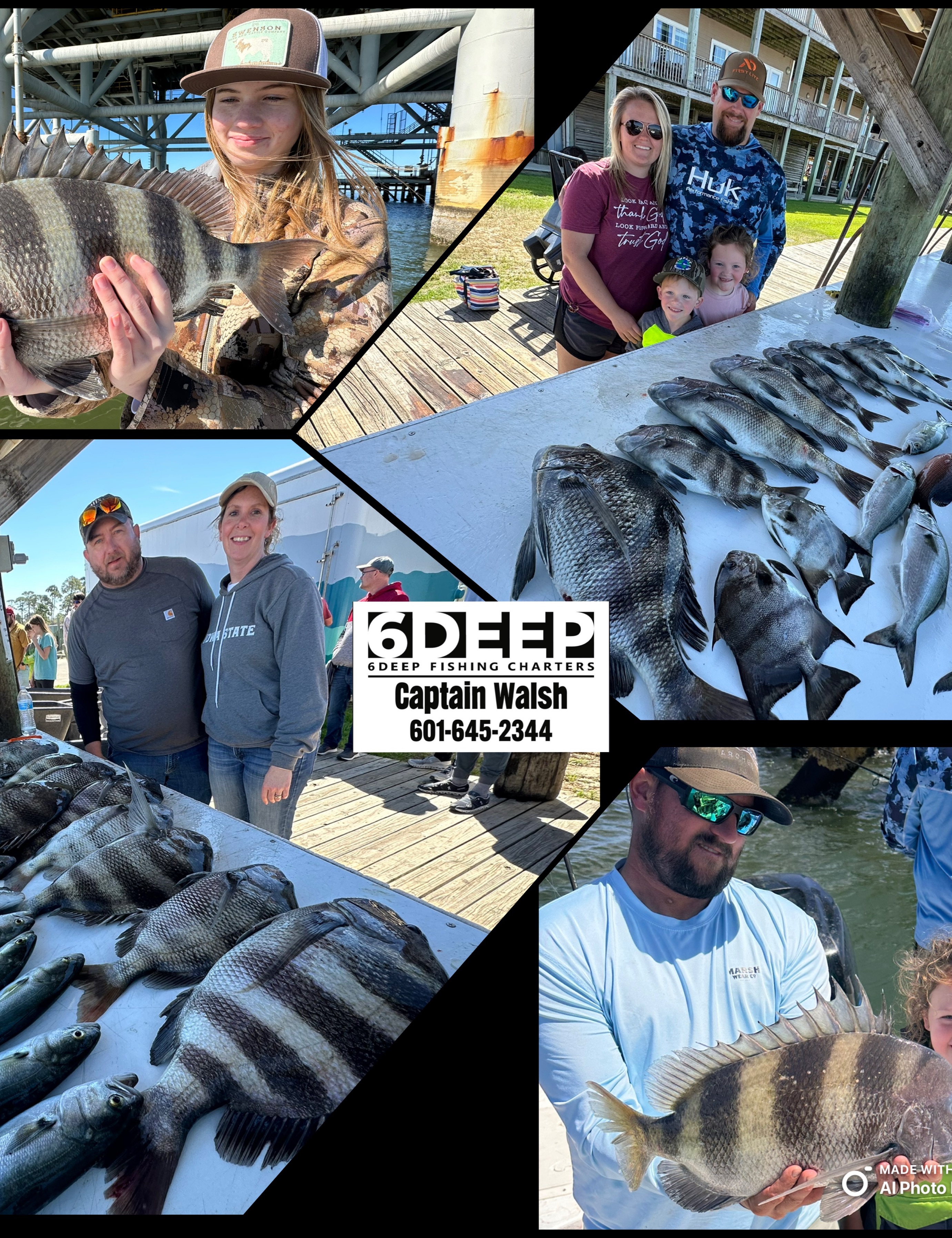
Fishing Charter by Captain Bill Walsh in April
- Book Your Next Gulf Shores Fishing Charters


Summary
Explore tripletail fishing on a spring day with Captain Bill Walsh's fishing charter in Gulf Shores, Alabama. This offshore adventure offers an exciting chance to tangle with one of the Gulf's most rewarding game fish in the Fort Morgan area waters.
Fishing Charter with Captain Bill Walsh - Rates & Booking
Captain Bill Walsh of 6Deep Fishing Charters was on the water Monday, April 13th bringing in impressive tripletail in the Gulf Shores area. When you book a fishing charter with Captain Walsh, you're getting a guide who knows these Gulf waters inside and out and can put you on fish that matter. The fishing charter experience includes expert local knowledge of where tripletail school, the best times to find them, and exactly how to work them when they bite.
To reserve your spot and get pricing details for your Gulf Shores fishing adventure, reach out to 6Deep Fishing Charters directly. Captain Walsh can customize your trip based on skill level, time available, and what fish you're after. These charters give you a real shot at landing quality fish with someone who's spent years learning the Gulf's patterns and secrets.
Highlights of Tripletail Fishing in Gulf Shores
Tripletail are the kind of fish that get your heart racing. They're powerful, unpredictable fighters that demand respect and solid technique. What makes fishing for them around Fort Morgan and the broader Gulf Shores area so exciting is the combination of visual hunting and explosive strikes. You're often sight-casting to fish cruising near structure, kelp lines, or weed patches, which keeps things engaging and active the entire time.
The Gulf's conditions can shift daily, but when things line up right, the fishing can be absolutely stellar. Captain Walsh knows exactly where these fish tend to congregate during spring and how their behavior shifts through the day. Every catch tells a story about the Gulf's changing patterns and what makes this corner of Alabama such a prime fishing destination.
Local Species Insights: Tripletail
Tripletail are found throughout the Gulf of Mexico and Atlantic coastal waters, and they've earned their reputation as one of the most exciting fish to pursue. These guys are built for power and agility, with muscular bodies and the ability to make sharp, aggressive runs that'll test your equipment and your nerve. They're called tripletail because of their distinctive three lobes on their tail fins, a feature that becomes instantly recognizable once you've spotted one cruising the water.
What makes tripletail special for Gulf Shores fishing is their behavior. They're often found near floating debris, weed lines, or suspended around structure in deeper water. On calm days when visibility is good, you can actually see them hunting, which adds an incredible visual element to the experience. The strike is typically explosive and uncompromising, followed by a determined fight where they'll use every bit of their athleticism to get free. They're not the biggest fish you'll encounter, but pound for pound, they fight harder than most.
Tripletail are also known for their willingness to eat, which means once Captain Walsh positions you correctly and you've got a good cast, there's real opportunity in the moment. The unpredictability of their exact location and the need to stay sharp and ready makes every outing unique. Whether you're a seasoned angler or building your Gulf fishing resume, tripletail offer the kind of fast-paced, engaging fishing that keeps people coming back to Gulf Shores year after year.
The spring months, like when Captain Walsh landed this beauty in April, are fantastic windows for tripletail activity. Water temperature, food availability, and seasonal patterns all align to make this a prime time for serious fishing. It's the kind of season where you can put together multiple quality catches and really dial in your technique for these impressive fish.
Fishing in Fort Morgan: Tripletail
Tripletail Overview
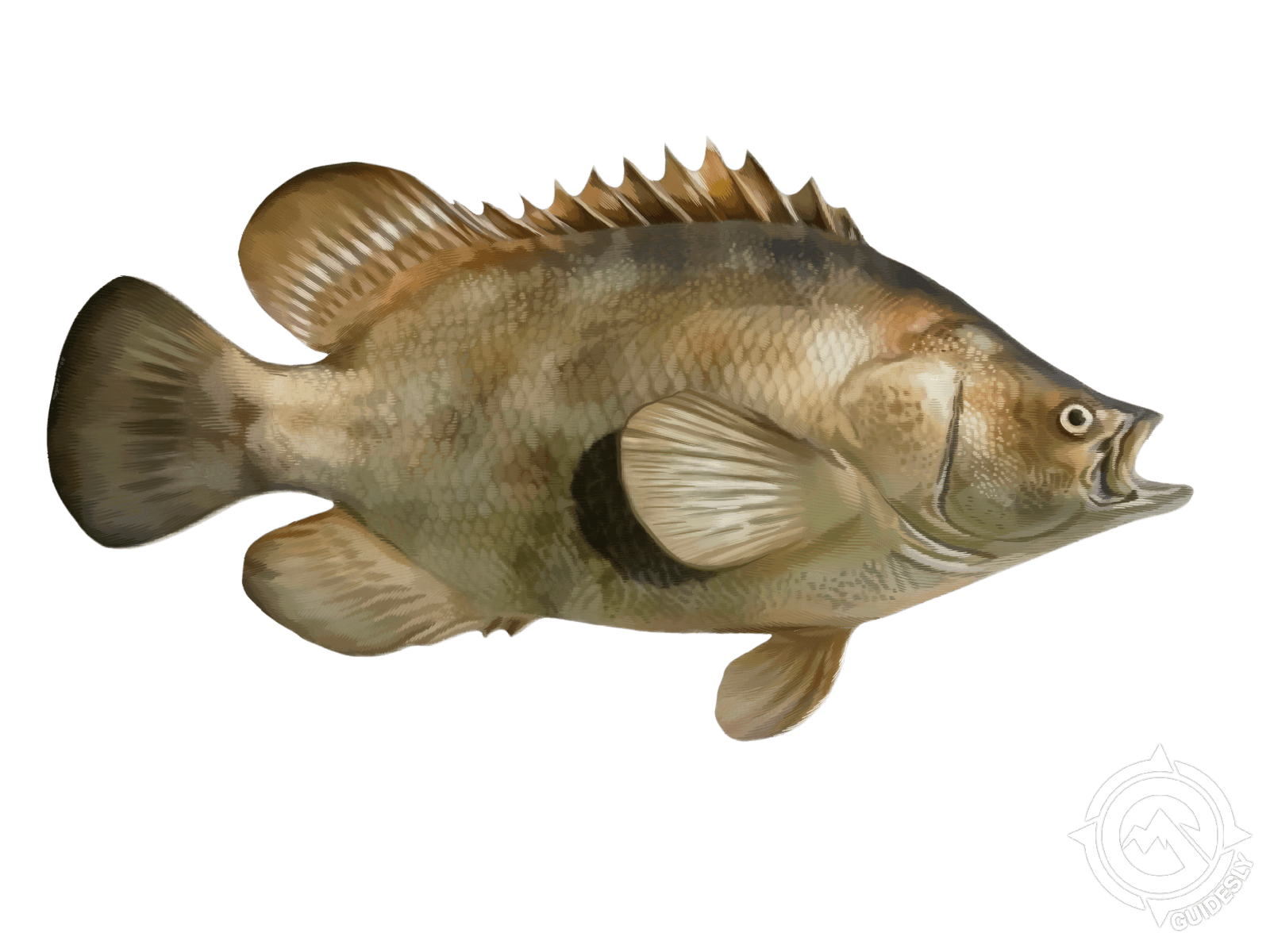
The Tripletail (Lobotes surinamensis), belonging to the family Lobotidae and order Perciformes, is a fascinating medium-sized saltwater game fish that's rapidly gaining popularity among anglers across North America. Known scientifically as the Atlantic Triple Tail, this species gets its distinctive name from its three rounded fins—the caudal, anal, and rear dorsal fins—which give it a unique silhouette in the water. With an olive-colored body adorned with dark or white blotches and a remarkable ability to change colors for camouflage, the Tripletail is one of the ocean's most intriguing and underrated game fish. What makes this species particularly special is its combination of acrobatic fighting ability, excellent eating quality, and the challenge it presents to sight-casting anglers. Whether you're fishing in Florida, Massachusetts, or Texas, encountering a Tripletail is an experience that keeps anglers coming back for more.
Tripletail Habitat and Distribution
Tripletails thrive in tropical and subtropical waters around the world, preferring water temperatures above 69.8°F. In the western Atlantic, their range stretches impressively from Massachusetts all the way down to Argentina, making them accessible to anglers across a wide geographic area. These solitary yet sometimes schooling fish inhabit depths ranging from near-surface waters up to 210 feet, though they're most commonly found near the surface where sight-casting anglers can spot them. The species makes small north and south migrations from April to October, following seasonal temperature changes and food availability. You'll find juveniles—typically around 1 foot long—patrolling shorelines and gulfs, while adults prefer offshore waters and bays. Though primarily a saltwater species, Tripletails occasionally venture into estuaries and river mouths, adapting to brackish conditions. Prime fishing destinations for this species include the coastal waters of Massachusetts, Florida, Mississippi, and Texas, each offering unique opportunities throughout the year.
Tripletail Size and Weight
On average, Tripletails measure around 18 inches in length and weigh between 2 to 13 pounds, making them manageable yet respectable catches for most anglers. However, these fish can grow substantially larger under optimal conditions, reaching up to 3 feet in length and weighing as much as 40.8 pounds for truly exceptional specimens. The maximum sizes you're likely to encounter in most fishing scenarios range from 18 to 36 inches, with weights typically between 2 and 20 pounds. What's particularly impressive about this species is their rapid growth during their first year—a remarkable adaptation believed to help them quickly outgrow predators and establish themselves in their marine environment. This accelerated juvenile growth means that even younger fish can provide excellent sport and challenging catches, making Tripletails accessible to anglers of varying skill levels.
Tripletail Diet and Behavior
As opportunistic carnivores, Tripletails are aggressive feeders that actively hunt shrimp, crabs, and baitfish throughout their active periods. Their feeding behavior is characterized by ambush hunting, where they position themselves near floating vegetation, weed lines, and structure to intercept passing prey. One of their most fascinating defensive and hunting behaviors is lying on their sides to mimic floating weeds or debris—a clever camouflage technique that helps them both escape predators and surprise unsuspecting prey. These fish are predominantly solitary creatures, though they occasionally gather in small schools, particularly during spawning season or when abundant food sources are present. Tripletails swim primarily near the surface, making them excellent targets for sight-casting anglers who can spot their distinctive silhouettes. Their color-changing ability—shifting from mottled black, brown, and white combinations to solid colors—demonstrates their remarkable adaptability to different environments and light conditions.
Tripletail Spawning and Seasonal Activity
The Tripletail spawning season occurs during the summer months, with peak activity running from July through August. During this period, these fish migrate to inshore and nearshore waters to reproduce, though some populations have been observed spawning offshore as well. The species is active year-round in their preferred tropical and subtropical range, meaning you can pursue them throughout the entire calendar year. Their spring and fall migrations, occurring from April to October, represent ideal windows for targeting these fish as they move between shallow and deeper waters following temperature changes. The consistency of their presence makes Tripletails an excellent target species for planning fishing trips at any time of year, though the summer spawning season offers particularly exciting opportunities when fish congregate in accessible inshore waters.
Tripletail Techniques for Observation and Capture
Sight Casting Method: The most effective technique for catching Tripletails is sight casting, which takes advantage of their surface-feeding behavior and makes them visible to experienced anglers. Position yourself in clear, shallow water and scan weed lines, floating debris, and structure where these fish naturally congregate. Once you spot a fish, the key is stealth—cast away from the target and slowly drag your bait or fly toward the fish, allowing it to ambush your offering. Use a 7 to 9-foot, 8-weight fly rod with 20-pound test line and floating lines since Tripletails rarely dive deep. Hook sizes should range from #2 to 1/0, and effective baits include crabs, shrimp, sardines, and minnows.
Lure and Fly Fishing Approach: Tripletails respond well to squid, shrimp, and crab flies, making them excellent candidates for fly-fishing enthusiasm. These fish are increasingly popular in the fly-fishing community due to their acrobatic nature and willingness to take well-presented flies. Strip your flies in short, enticing movements that mimic natural prey behavior. The key to success is patience and precision casting—rushing your presentation or making loud disturbances will spook these cautious hunters quickly.
Around Florida: The coastal bays and offshore waters near Tampa Bay, the Florida Keys, and the Gulf Coast are prime Tripletail destinations where you can spot them year-round, with particularly strong fishing from July through September when spawning activity brings fish into accessible inshore waters. Local guides recommend checking GPS coordinates around weed lines and structure during early morning hours when visibility is clearest.
Tripletail Culinary and Utilization Notes
The Tripletail has earned a stellar reputation for its excellent eating quality, with many experienced anglers claiming the firm, white meat tastes remarkably similar to Red Snapper or Grouper. The flavor profile is mild yet distinctive, making it a favorite among those who appreciate quality fish cuisine. The meat's firm texture holds up well to various cooking methods—grilling, baking, and pan-searing all bring out the species' natural qualities. Beyond the culinary appeal, Tripletails represent a sustainable fishing choice in most regions where they're abundant, and their rapid growth rate suggests they can support recreational fishing pressure well. When handling these fish for consumption, exercise caution around their razor-sharp gills, which can cause nasty cuts if not respected. Many coastal restaurants and fishing lodges feature Tripletail on their menus, particularly in Massachusetts, Florida, Mississippi, and Texas, where the species holds cultural and gastronomic significance.
Tripletail Frequently Asked Questions
Q: What is the best bait for catching Tripletail?
A: Live or fresh crabs, shrimp, sardines, and minnows work exceptionally well for Tripletail. For fly fishing, use squid, shrimp, or crab patterns in sizes #2 to 1/0. The key is presenting your bait or fly naturally and allowing the fish to ambush it rather than forcing an aggressive strike.
Q: Where can I find Tripletail near Florida?
A: Florida's Gulf Coast, particularly around Tampa Bay, the Florida Keys, and coastal bays throughout the state, offers excellent year-round opportunities. Focus on weed lines, floating debris, and structure in inshore waters, especially during summer months when spawning brings fish into accessible areas.
Q: Is Tripletail good to eat?
A: Absolutely—Tripletail is considered excellent eating with firm, white meat that many anglers compare to Red Snapper or Grouper. The meat's quality and versatility in the kitchen make it a prized catch among those interested in culinary experiences alongside their fishing adventures.
Q: When is the best time to catch Tripletail?
A: While Tripletails are available year-round in tropical and subtropical waters, the summer spawning season (July through August) offers peak opportunities when fish congregate in inshore waters. However, the species is catchable throughout the year with consistent techniques and locations.
Q: What rod and reel setup should I use for Tripletail?
A: A 7 to 9-foot, 8-weight fly rod with 20-pound test line and floating lines is ideal for sight-casting situations. For conventional tackle, medium-light spinning or baitcasting setups with 15 to 20-pound test also work well for this species.
Q: How can I identify a Tripletail in the water?
A: Look for the distinctive three rounded fins—the caudal fin and both the rear dorsal and anal fins create a unique silhouette. The olive-colored body with dark or white blotches and the fish's tendency to float near the surface make identification relatively straightforward for trained observers. Juvenile fish display mottled black, brown, and white coloration.